
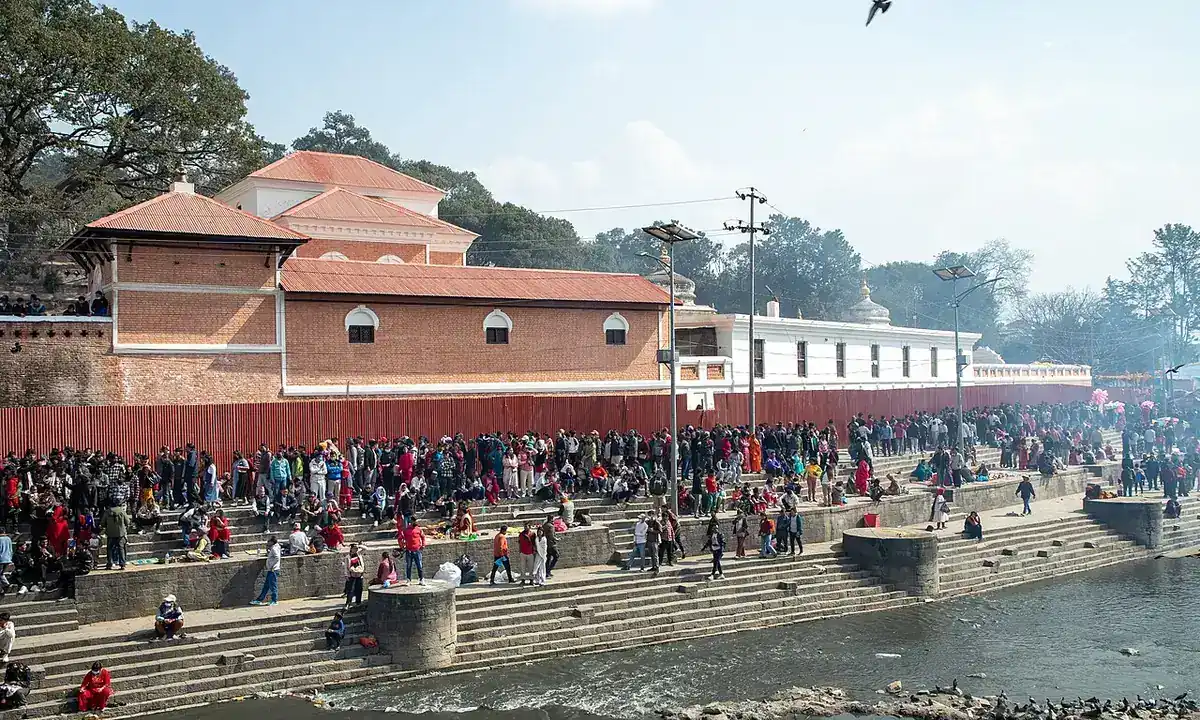
Maha Shivaratri is a major Hindu observance devoted to Lord Shiva, marked by prayer, reflection and, for many devotees, a night of worship.
Meaning of Maha Shivaratri
The name means the Great Night of Shiva. It is associated with devotion, spiritual discipline and reflection, and different Hindu traditions tell different stories about the significance of the night.
Night-long worship and prayer
Many devotees visit Shiva temples, chant mantras and attend pujas through the night. Some temples organise worship in several periods, while families may observe the occasion at home.
Fasting and personal observance
Some devotees fast or eat simple foods, but fasting practices differ and are not required for everyone. People with health concerns should follow appropriate medical advice rather than undertake unsafe fasting.
Shiva lingam and offerings
Worship may include offerings of water, milk, flowers and bilva leaves to the Shiva lingam. Specific customs and appropriate offerings depend on local temple traditions.
Stories and regional customs
Some traditions connect the festival with the marriage of Shiva and Parvati, while others emphasise Shiva's cosmic dance or spiritual awakening. Interpretations vary across communities.
Maha Shivaratri overseas
Hindu temples in New Zealand, Australia, the UK, Canada and the USA may arrange special evening pujas and devotional programmes. Check temple notices for locally calculated timings.
How the date is set
Every lunar month has a Masik Shivaratri on the fourteenth night (chaturdashi) of the waning moon. Maha Shivaratri, the "great night of Shiva", is the one that falls in the month of Phalguna in the northern purnimanta calendar, which is Magha in the amanta calendar used in the south and west. It usually comes in February or March, and panchangs give the timing of the nishita kaal, the midnight period considered most auspicious for worship.
The four prahars of the night
Devotees who stay awake often divide the night into four prahars, or watches, of about three hours each, performing a puja in every one. In each prahar the lingam is bathed in a different offering, commonly milk, curd, ghee and honey, while the mantra "Om Namah Shivaya" and the Mahamrityunjaya mantra are chanted. Many temples also recite the Rudram, a Vedic hymn to Shiva.
The twelve Jyotirlingas
Many pilgrims visit one of the twelve Jyotirlinga shrines, believed to be places where Shiva appeared as a column of light. They include Somnath in Gujarat, Mallikarjuna in Andhra Pradesh, Mahakaleshwar in Ujjain, Omkareshwar in Madhya Pradesh, Kedarnath in Uttarakhand, Bhimashankar in Maharashtra, Kashi Vishwanath in Varanasi, Trimbakeshwar near Nashik, Baidyanath in Jharkhand, Nageshwar in Gujarat, Rameshwaram in Tamil Nadu and Grishneshwar near Ellora. These temples see very large crowds on Maha Shivaratri.
Fasting foods
Those who fast often eat only fruit, milk and fasting dishes made from sabudana, kuttu or singhara flour, potatoes and nuts, with rock salt instead of table salt. Thandai, a cooling milk drink with almonds, fennel, rose and pepper, is popular in north India. The fast is usually broken the next morning after a final puja.
Frequently asked questions
When is Maha Shivaratri 2027?
Saturday, 6 March 2027 is the date listed here; local night worship dates and timings should be confirmed with a trusted panchang.
What does Shivaratri mean?
It means night of Shiva; Maha Shivaratri is the Great Night of Shiva.
Do devotees stay awake?
Some devotees attend night-long worship or meditation; practices vary.
Is fasting compulsory?
No. Fasting customs vary, and health needs should be considered.
What offerings are common?
Water, flowers and bilva leaves are common in many traditions.
Can celebrations differ overseas?
Yes. Temple programmes and ritual times are based on local schedules and calendars.
What is the difference between Shivaratri and Maha Shivaratri?
Shivaratri (Masik Shivaratri) occurs every lunar month; Maha Shivaratri is the main annual festival in Phalguna or Magha.
What mantra is chanted on Maha Shivaratri?
The five-syllable mantra "Om Namah Shivaya" is the most common, along with the Mahamrityunjaya mantra.