
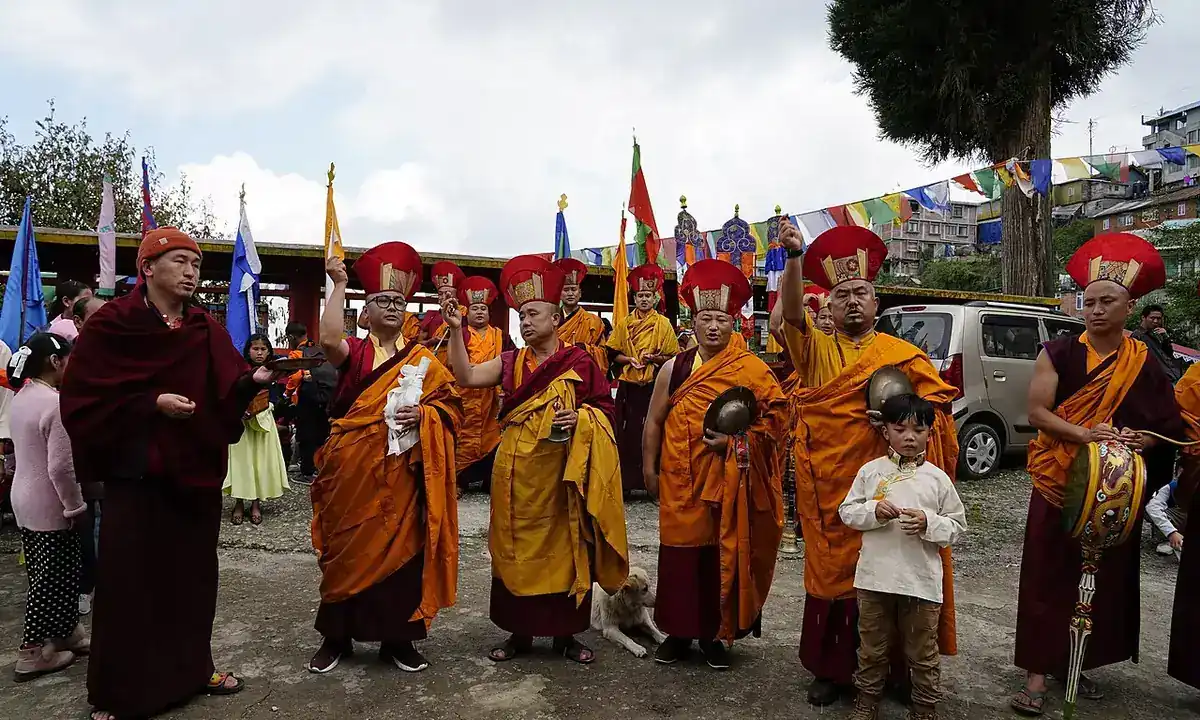
Buddha Purnima, also known as Buddha Jayanti or Vesak in many communities, honours the life and teachings of Gautama Buddha.
What Buddha Purnima celebrates
Buddha Purnima is a major Buddhist observance commemorating events in the life of Gautama Buddha. In many traditions, his birth, awakening and passing away are remembered on Vesak, although customs and calendar dates vary.
Teachings of the Buddha
The Buddha's teachings include compassion, mindfulness, ethical conduct and the understanding of suffering and its causes. Many people use the festival to reflect on these values.
Temple visits and meditation
Buddhists may visit monasteries or temples, listen to teachings, meditate, chant and make offerings of flowers or lamps. The precise observances depend on the tradition.
Generosity and kindness
Giving to people in need, supporting monastic communities and practising compassion are important parts of many Vesak celebrations. Some communities organise charitable activities.
Bodh Gaya and important sites
Bodh Gaya in Bihar is especially significant as the place associated with the Buddha's enlightenment. Other pilgrimage sites include Sarnath, Kushinagar and Lumbini in present-day Nepal.
Vesak around the world
Buddhist communities in New Zealand, Australia, Sri Lanka, Thailand, Singapore and elsewhere hold temple events and cultural programmes. Some countries observe Vesak on different dates, so check local calendars.
Three events on one full moon
Buddha Purnima is special because many Buddhist traditions remember three events of the Buddha's life on the same full moon of the month of Vaishakha: his birth as Prince Siddhartha Gautama at Lumbini in present-day Nepal, his enlightenment under the Bodhi tree at Bodh Gaya, and his death and final release, called parinirvana, at Kushinagar. For this reason it is often called the thrice-blessed day.
From prince to Buddha
Siddhartha grew up in comfort in Kapilavastu, but tradition says that on seeing old age, sickness, death and a wandering ascetic he set out to understand the cause of suffering. After years of practice and extreme austerity, he chose a middle way between indulgence and self-denial. Meditating under a pipal tree at Bodh Gaya, he attained enlightenment and became the Buddha, the "awakened one". He spent the next 45 years teaching across northern India.
The Four Noble Truths and the Eightfold Path
The Buddha's first sermon at Sarnath, near Varanasi, set out the Four Noble Truths: life involves suffering; suffering arises from craving; suffering can end; and there is a path to its end. That path is the Noble Eightfold Path:
- Right view and right intention
- Right speech, right action and right livelihood
- Right effort, right mindfulness and right concentration
Observing the day at home
Many Buddhists take the five precepts or eight precepts for the day, eat simple vegetarian food, light lamps and incense, and offer flowers before an image of the Buddha as a reminder of impermanence. Kheer, rice cooked in milk, is a common offering, recalling the bowl of milk rice offered to the Buddha by Sujata before his enlightenment.
Frequently asked questions
When is Buddha Purnima 2027?
Thursday, 20 May 2027 is the date listed on this website; observance dates can vary by tradition and location.
Is Buddha Purnima the same as Vesak?
The names are often associated with related Buddhist observances, though customs and dates vary.
What does Purnima mean?
Purnima refers to the full moon in Indian calendars.
Where did the Buddha attain enlightenment?
Bodh Gaya, in present-day Bihar, India.
How do Buddhists celebrate?
Through meditation, temple visits, chanting, offerings and acts of generosity.
Is Vesak celebrated on the same day worldwide?
No. Different Buddhist traditions and national calendars may use different dates.
Is Buddha Purnima the same as Vesak?
Yes. Vesak (or Vesakha) is the name used in many countries for the same full-moon festival.
Where did the Buddha give his first sermon?
At the Deer Park in Sarnath, near Varanasi in Uttar Pradesh.